Skip to the content

Abnormal Bleeding? Let’s Get to the Bottom of It.

(IN-PERSON & VIRTUAL)

Heavy periods, spotting, bleeding between periods, or changes in your usual cycle can be signs of abnormal uterine bleeding. At Diana Health, we’ll help you understand what’s causing your symptoms and find the right treatment for you.

Book a visit


What is abnormal bleeding?:

Abnormal uterine bleeding (AUB) is any change from your usual period pattern—including how heavy your period is, how long it lasts, how often it occurs, or how predictable it is.

AUB is common, affecting about 1 in 3 women. It can show up as:

  • Heavy periods or bleeding lasting more than 7 days
  • Bleeding or spotting between periods
  • More frequent or unpredictable periods
  • Passing large blood clots
  • Bleeding after menopause
  • Fatigue related to blood loss

AUB can have many causes, including fibroids, polyps, adenomyosis, endometriosis, hormonal changes, and other gynecologic conditions.

You have options for treating abnormal bleeding.

Treatment depends on what’s causing your bleeding, how severe your symptoms are, and what matters most to you. Your Diana Health provider will help you understand your options and choose the approach that’s right for you.

Medication

Start with medication when it’s the right fit.

Depending on the cause of your bleeding, treatment may include hormonal birth control, progestin, an IUD, or other medications.


In-Office Procedures

Some abnormal bleeding conditions can be treated with convenient, minimally invasive procedures right in the office.

Options may include:

  • Endometrial ablation
  • Hysteroscopy
  • Other appropriate in-office procedures

More convenient. Familiar setting. Minimally invasive.


Minimally Invasive Surgery

For conditions that require surgery, our board-certified OB/GYN surgeons offer minimally invasive approaches tailored to your diagnosis and goals.

Options may include:

  • Fibroid treatment
  • Myomectomy
  • Hysterectomy
  • Robotically assisted laparoscopic surgery
  • Other complex gynecologic procedures


Why should I see Diana Health for abnormal bleeding?

More options. More expertise. One place to find answers.

Abnormal bleeding doesn’t always have a simple solution. Our experienced OB/GYN physicians can evaluate the cause of your symptoms and offer treatment ranging from medication to advanced minimally invasive procedures.

  • Board-certified OB/GYN surgeons
  • Advanced minimally invasive techniques
  • Convenient in-office procedures
  • daVinci® robotic surgery
  • Treatment tailored to your diagnosis and goals

When you need a procedure, less invasive can mean faster recovery.

When minimally invasive surgery is appropriate, smaller incisions can mean less pain, less scarring, reduced blood loss, and a faster recovery.

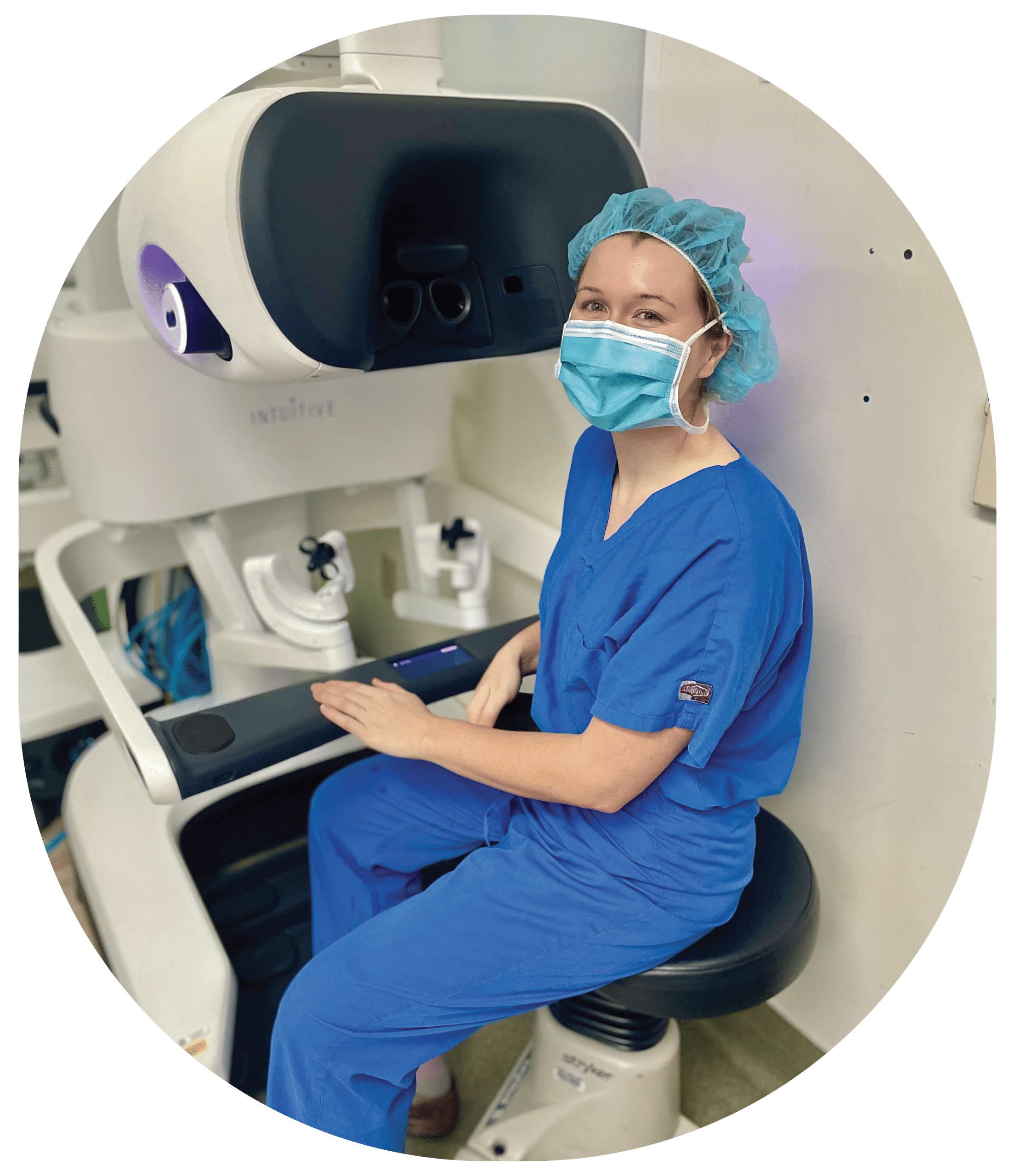
Many Diana Health surgeons use the daVinci® Surgical System for precise, minimally invasive procedures.

LEARN MORE

Abnormal Bleeding FAQ

What is considered abnormal uterine bleeding?

Abnormal uterine bleeding (AUB) is any change from your usual period pattern, including changes in how often you bleed, how long your period lasts, how heavy it is, or how predictable your cycle is. It can include heavy or prolonged periods, bleeding between periods, unpredictable cycles, or bleeding after menopause.

How is abnormal bleeding diagnosed?

Your provider will start by talking with you about your symptoms and medical history and may perform a physical or pelvic exam. Depending on your symptoms, testing may include blood work, a pelvic ultrasound, or additional testing such as a uterine lining sample or hysteroscopy.

What causes abnormal bleeding?

Abnormal bleeding can have many causes, including hormonal changes and gynecologic conditions such as fibroids, polyps, adenomyosis, and endometriosis. Your provider can help determine what’s causing your symptoms and recommend the right treatment.

Can abnormal bleeding be treated without surgery?

Yes. Depending on the cause of your bleeding, treatment may include medications or hormonal therapies such as birth control or an IUD. Some conditions may also be treated with minimally invasive or in-office procedures.

Is hysterectomy the only treatment for heavy periods?

No. Hysterectomy is not the only option for treating heavy periods. Depending on the cause, treatment may include medication, an IUD, endometrial ablation, fibroid-directed treatment, or other minimally invasive procedures.

You have options. Let’s find the one that’s right for you.

Book a visit

Privacy Overview

This website uses cookies so that we can provide you with the best user experience possible. Cookie information is stored in your browser and performs functions such as recognising you when you return to our website and helping our team to understand which sections of the website you find most interesting and useful.